
Lockheed Martin nabs $105M ground system contract to support next-gen GPS
The upgrade to be performed under then new contract would allow Lockheed Martin's AEP ground system to replace RTX's long-troubled OCX program for future GPS IIIF birds.
The upgrade to be performed under then new contract would allow Lockheed Martin's AEP ground system to replace RTX's long-troubled OCX program for future GPS IIIF birds.

A spokesperson for Space Operations Command (SpOC) explained that government-led testing now will commence, but that an updated operational acceptance date "is not yet available."


Traditional thinking about how to protect facilities must adapt to new threats such as drones or downstream attacks.

Maj. Gen. Stephen Purdy, who is the Department of the Air Force acting head for space acquisition, said the OCX ground system for GPS satellites has now made it through testing of 97 percent of its requirements.
Outgoing DoD space acquisition czar Frank Calvelli told Breaking Defense in an exclusive interview that he is confident the troubled OCX software will be up and running by year-end.

This year saw evidence that a shift toward more openness about US national security space activities is coming whether those deep in the "black world" are ready or not.
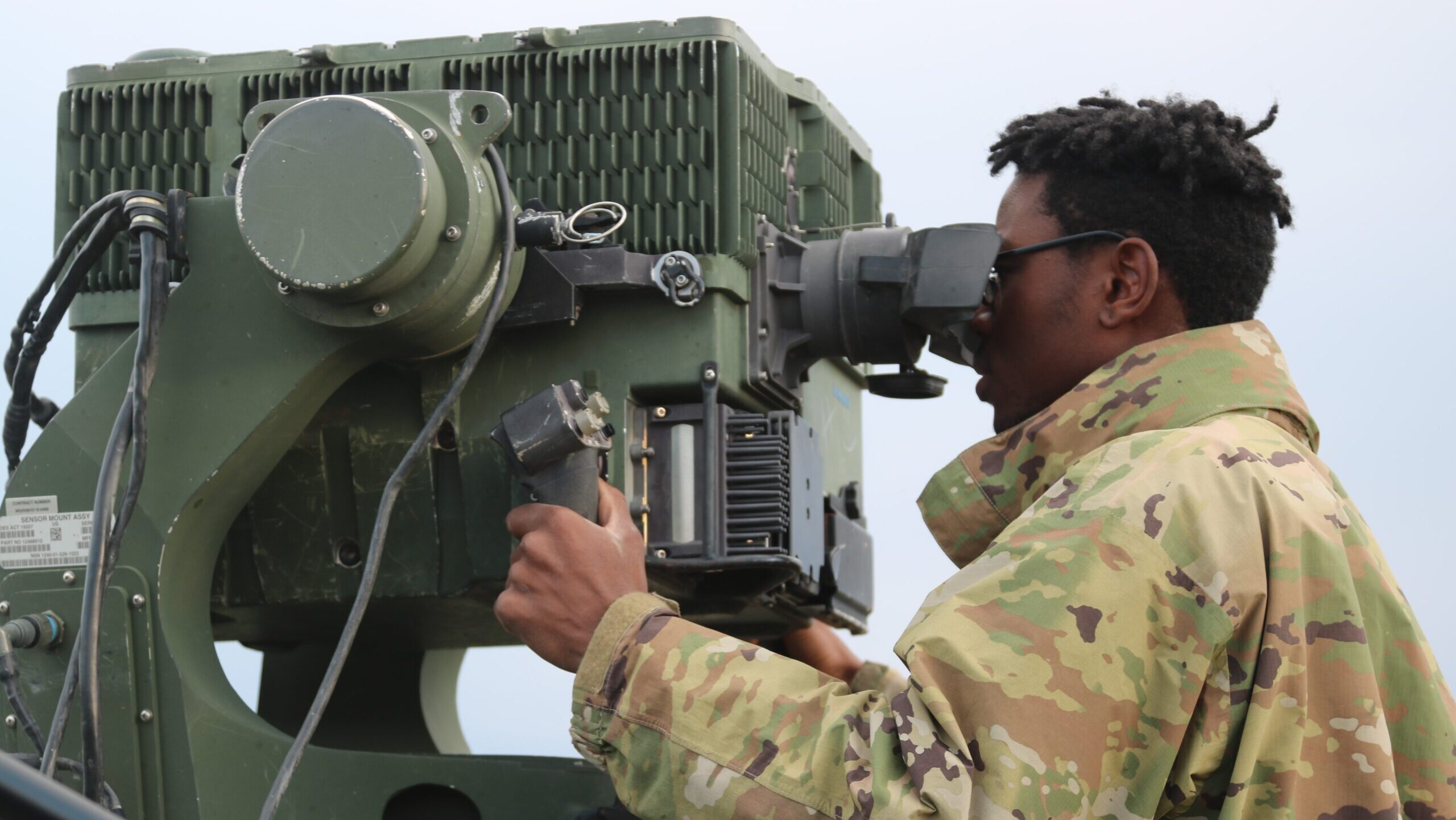
The troubled OCX ground system to allow users access to the jam-resistant M-Code GPS signal will go into operational tests by the end of the year, and the Space Force also has shaken up its effort to field M-Code radios and receivers, said Cordell DeLaPena, who heads those programs for Space Systems Command.


The goal of such weaponization is to tie warfighter needs to the RDT&E cycle.

"I'm not criticizing ATLAS, but on the record, if it doesn't get there on time, I'm gonna find an alternative, because that's why I exist," Space RCO Director Kelly Hammett told Breaking Defense.

Lt. Gen. Philip Garrant told Breaking Defense that the long-troubled effort to upgrade the C2 system for space domain awareness is making progress — with the ATLAS software due to become operational "at the end of next year."

To make matters worse, the Defense Department is now facing down a possible shortage of microchips and processor cards to allow ground vehicles, ships and aircraft to access GPS at all, according to a new report by the Government Accountability Office.

The $883.7 billion bill makes several major changes to President Joe Biden's FY25 budget request, including a more narrow approach to transferring Air National Guard units into the Space Force. But budgetary matters will ultimately be decided by congressional appropriators.


Decentralized Embodied Collaborative intelligence enables better reconnaissance, logistics and combat capabilities.

With apparent frustration with another program, Space Force acquisition chief Frank Calvelli asked, “What I don't get… [is] why would somebody want to have this sort of reputation-ruining stain in the papers all the time?”

The continuing delays in making the GPS jam-resistant M-Code signal available to military users "increase risk that U.S. and allied warfighters will be unable to conduct successful operations in future contested environments due to the lack of access to modernized GPS position, navigation, and timing (PNT) information," the 2023 Annual Report of the Director of Operational Test & Evaluation finds.

The Space Force has made some visible progress in its "pivot" towards resiliency, but acquisition reform remains a hard slog.

"Big software developments fail," said Air Force space acquisition czar Frank Calvelli. "You have to go to smaller systems."